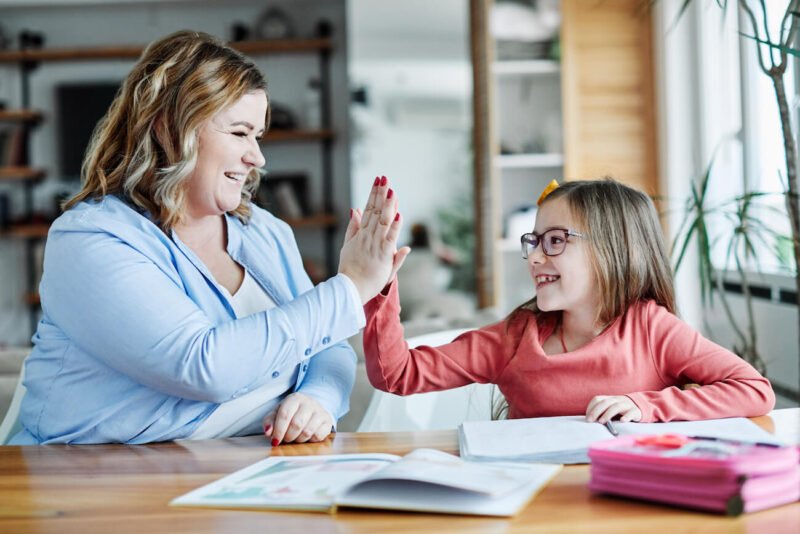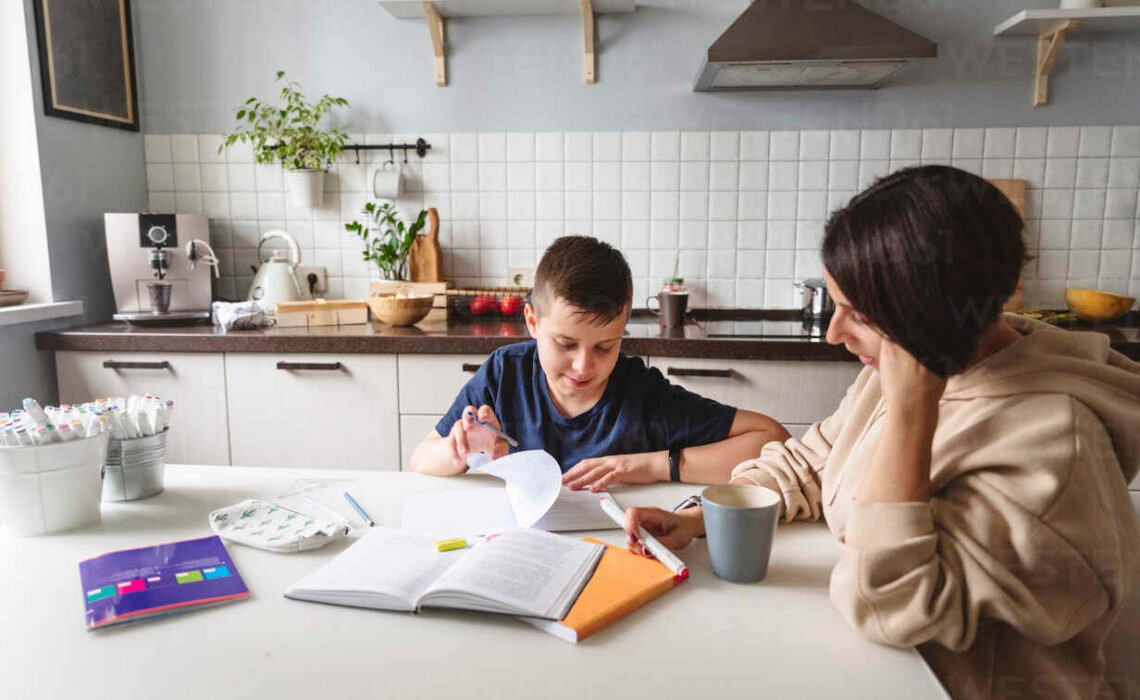
Every evening at 6:30 pm, Riya drops her school bag near the sofa as if it weighs more than her. Homework time has arrived and so has the familiar tension. Her mother, Neha, used to think good parenting meant sitting beside her child with constant reminders: “Finish this first.” “Why are you distracted?” But over time, Neha learned that parenting school-aged kids isn’t about control; it’s about connection, structure, and a lot of patience.
The Homework Story: From Struggle to Strategy
In the beginning, homework felt like a daily tug-of-war. Riya was tired after school, Neha was tired after work, and neither wanted a conflict. Things changed when Neha created a simple homework routine.
Instead of jumping straight into books, Riya got 20 minutes to relax snack, talk, or just breathe. Homework moved to a fixed place at the dining table, free from toys and TV noise. Neha stopped hovering and became a guide instead of a supervisor.
Homework tips that worked for them:
- Break homework into small tasks with short breaks
- Let the child explain answers teaching builds confidence
- Praise effort, not just correct answers
- Keep a consistent time and place every day
Homework slowly turned from a battle into a shared habit. Some days were still messy but manageable.



The Screen Time Challenge: Not the Enemy, Just a Tool
Screen time was another daily negotiation. Online classes, games, videos it felt impossible to avoid screens completely. Neha realized the key wasn’t banning screens, but managing them wisely.
They created simple rules together:
- No screens during homework or meals
- One hour of recreational screen time on school days
- Screens off at least one hour before bedtime
Most importantly, Neha modeled the behavior herself putting her phone away during family time. Some evenings, instead of YouTube, they chose board games or storytelling. On weekends, screen time became a reward, not a right.
The Real Lesson
One night, Riya finished her homework early and proudly said, “Mumma, can I read instead of watching videos?” That moment reminded Neha that parenting is not about perfection it’s about progress.
School-aged kids need guidance, boundaries, and emotional safety. When parents replace pressure with structure and rules with routines, children learn responsibility naturally.
Final Thoughts
Parenting school-aged kids is a journey filled with small wins and daily learning. Homework doesn’t have to mean stress, and screen time doesn’t have to mean guilt. With consistency, empathy, and a story-filled evening routine, families can grow together one school day at a time. 🌱